What does a storm adjuster do?
By the Steady Ground team ·
A big storm hits. Roofs are torn up. Cars are dented by hail. Thousands of people call their insurance company on the same day. Someone has to go out and look at all that damage. That someone is often a storm adjuster.
It's real work that helps people on a bad day. It can also pay well in a busy season. But it is not steady. Here is what a storm adjuster does, and what to know before you try it.
What a storm adjuster does all day
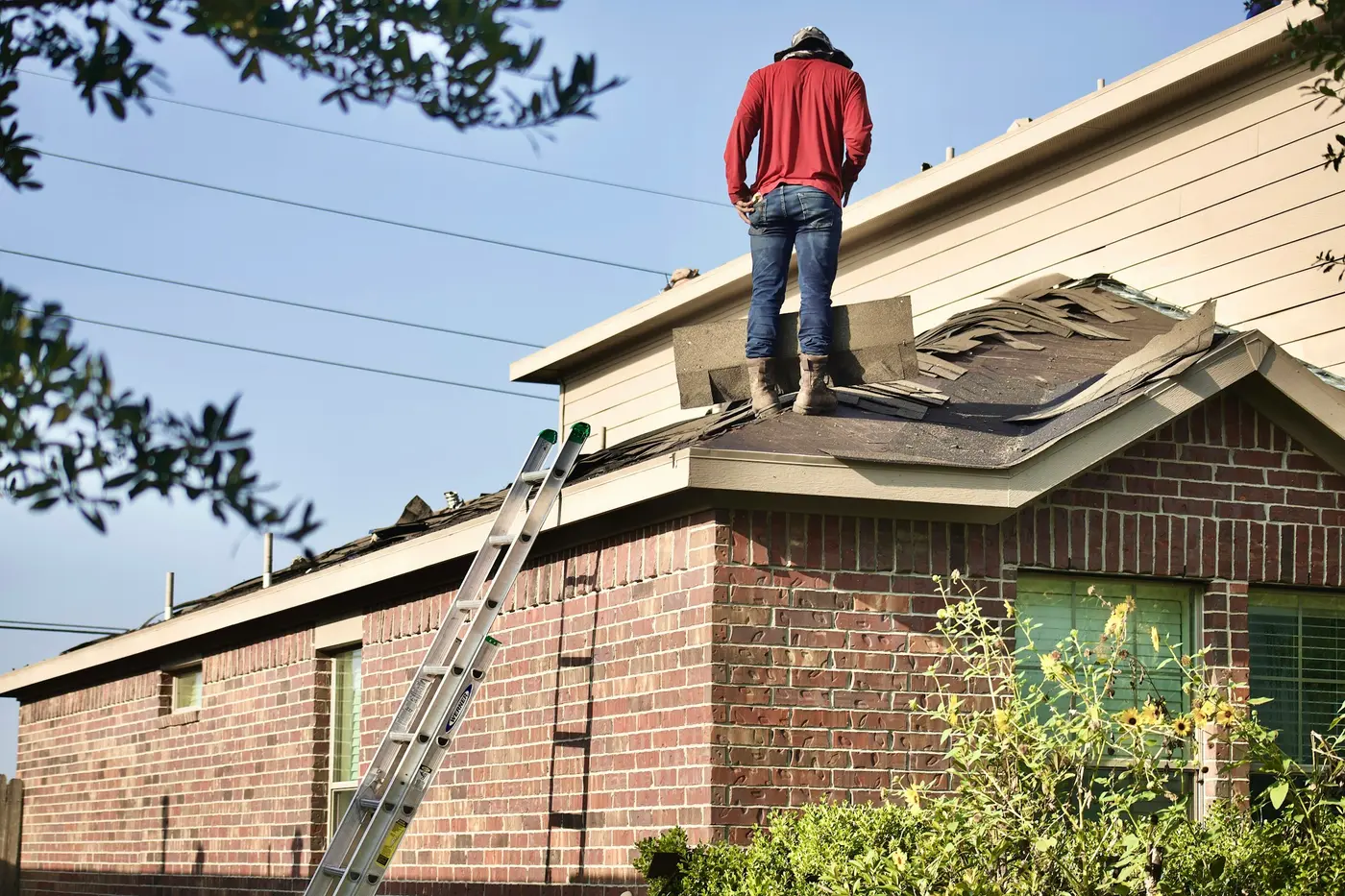
You go to homes, cars and shops that were hurt in the storm. You take photos. You measure. You often climb a ladder or get up on a roof. You talk with the owner about what happened.
Then you sit down with your laptop. You write up an estimate of what the repairs should cost. Most adjusters use a program called Xactimate for this. You explain your numbers to the insurance company and to the owner.
After that, you do it again. And again. In a big storm, there's a long line of claims waiting.
Storm adjuster or staff adjuster?
There are two main kinds of claims adjusters.
- Staff adjusters work for one insurance company. They get a salary, often with benefits. Their hours are mostly regular. The company usually gives them the software they need.
- Storm adjusters are also called independent adjusters. They work through adjusting firms that insurance companies hire. They travel to disaster areas for weeks at a time. Then they may sit at home for a long time with no work.
Many people start as staff adjusters. It's often the best first job. You learn the work with a steady check.
How storm adjusters get paid
Storm adjusters are usually paid a share of a fee for each claim they close. So more claims means more pay. A busy hurricane or hail season can pay well. A quiet season can pay close to nothing.
We looked for official numbers on what storm adjusters earn, and we didn't find any. Be careful of anyone who promises you a big number.
For the whole field, the U.S. Bureau of Labor Statistics gives a median of $78,020 a year. That counts claims adjusters, appraisers, examiners and investigators. It isn't a number for storm work alone.
What you need before your first storm
- A license. More than 30 states license independent adjusters. If your state does, get your license there. If it doesn't, you can get what's called a Designated Home State license from a state like Florida or Texas.
- A license where the storm is. A storm in another state doesn't mean you can work there. Some states give emergency licenses after a disaster. Texas has a 90-day one. You must have it before you start.
- Xactimate skills. Basic training makes you much easier to hire.
- Your own gear and travel money. Storm adjusters often pay for their own ladder, tools and travel, at least until a firm pays them back.
- Patience. Firms often ask for experience and an insurance certificate. Your first storm call can take a while.
How hard is the license test?
It depends on your state. The Texas test has 150 questions in 150 minutes. In mid-2025, only about 35% of people passed it. So study well before you sit down for it.
Getting licensed costs about $200 to $500 for most people. Storm work costs more because of the gear and travel.
Watch out for storm list scams
Some people sell a "guaranteed" spot on a storm list. Don't pay for that. The Federal Trade Commission warns that real employers and placement firms don't charge you up front for a job.
Also know the difference between a storm adjuster and a public adjuster. A public adjuster works for the homeowner, not the insurance company. That job needs its own license. In Florida, doing it for pay without a license can be a felony.
Is storm work right for you?
Storm adjusting can fit you if you stay calm around upset people, like solving puzzles and don't mind heights. It can also fit if you can leave home for weeks when a storm hits.
It's a hard fit if you need the same pay every month. It's also good to know that this field is shrinking. The Bureau of Labor Statistics expects a 6% drop in jobs from 2025 to 2035. There are still about 21,600 openings a year as people leave.
Want the full steps for your state? Read our claims adjuster guide. If you'd like a steadier insurance job, look at insurance agents too. Or take the career quiz to compare your best matches.
Quick answers
Do storm adjusters get paid a salary?
Usually not. Most are paid a share of a fee for each claim. Staff adjusters, who work for one insurance company, are the ones who get a salary.
Can you be a storm adjuster with no experience?
You can get licensed with no experience, but many firms want some before they send you out. That's why a staff job is often the best place to start.
Do you need a license in every state you work in?
You need a license that's valid where the storm is. Some states give emergency licenses after a disaster, like Texas's 90-day license. Get it before you start work.
Where these facts come from
We checked these sources when we wrote this post. Rules and fees change, so check them before you pay for anything.